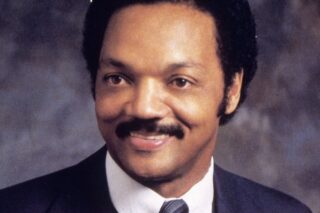






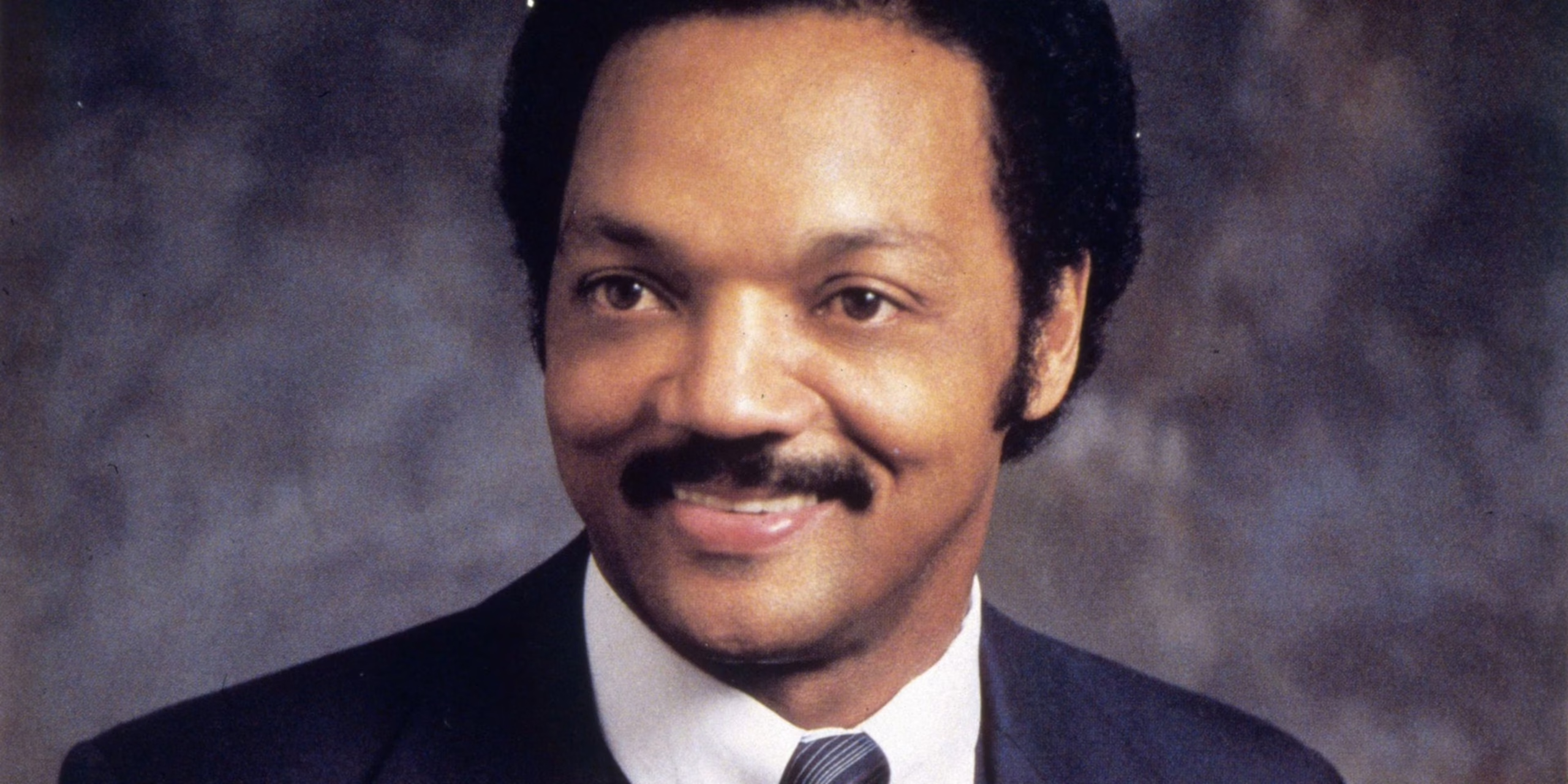
The Rev. Jesse Jackson, a civil rights leader and two-time presidential candidate who helped shape modern Black political power, has died at 84.
Jackson revealed in 2017 that he had Parkinson’s disease. In 2025, he developed progressive supranuclear palsy, a rare neurological disorder.
From Greenville to the national stage
Jackson was born in Greenville, South Carolina. He attended segregated schools and excelled as both a student and an athlete.
He earned a football scholarship to the University of Illinois before transferring to North Carolina A&T State University. At A&T, he served as student body president and played quarterback on the football team. He graduated in 1964.
Carrying the movement forward
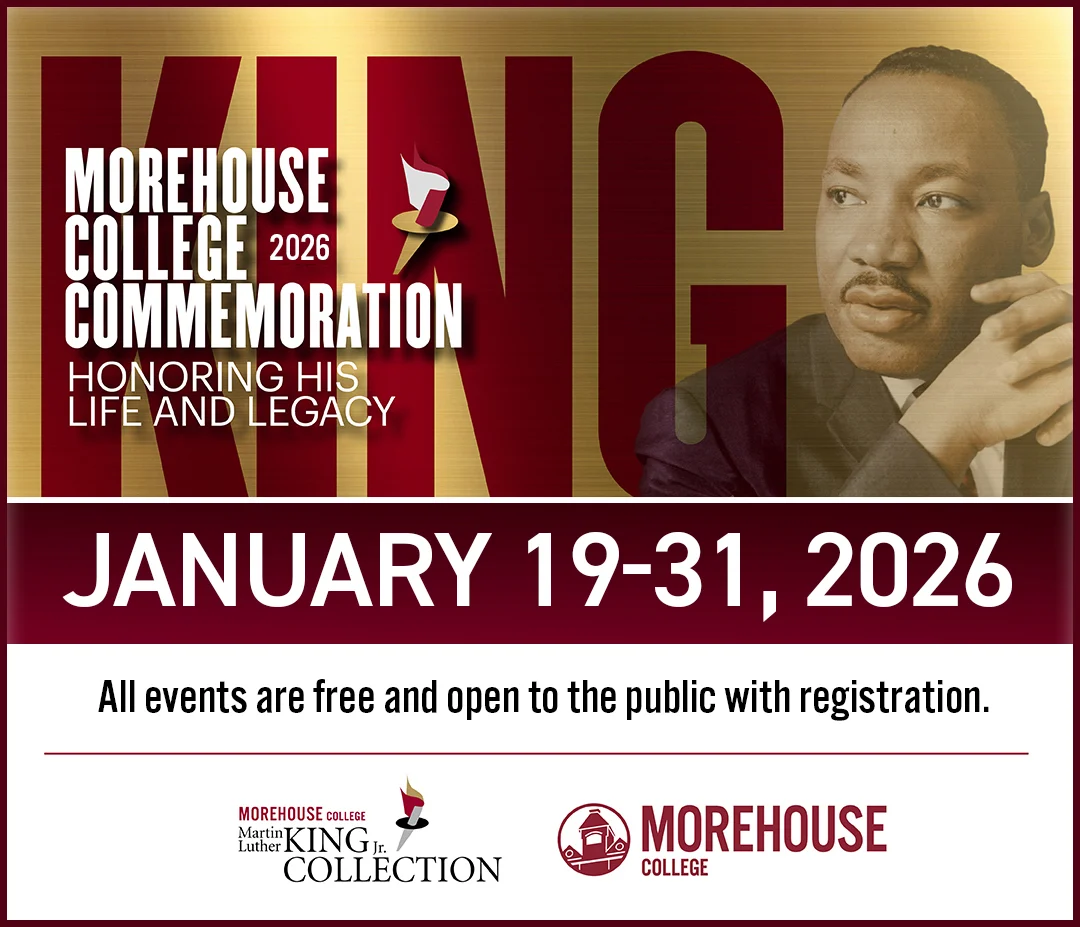
Jackson became a close associate of Martin Luther King Jr. and emerged as a leader in the Southern Christian Leadership Conference.
He directed Operation Breadbasket in Chicago, a campaign that pushed companies to hire and promote Black workers. The effort used boycotts and negotiations to expand economic opportunity.
Jackson stood on the balcony of the Lorraine Motel on April 4, 1968, when an assassin killed King.
He continued leading Operation Breadbasket until 1971. That year, he founded Operation PUSH, which focused on economic justice and political empowerment for Black Americans. The group later boycotted major corporations, including Coca-Cola, and secured agreements that increased hiring and business opportunities.
A historic run for the White House
Jackson entered the Democratic presidential primary in 1984. He received more than 3 million votes and finished third. During that campaign, he formed the National Rainbow Coalition.
He ran again in 1988 and received nearly 7 million votes, finishing second in the Democratic primary.
His campaigns marked key milestones. He became the first Black candidate to mount a nationally competitive campaign for a major party nomination and the first Black candidate to win a state presidential primary. His slogan, “Keep Hope Alive,” energized supporters nationwide.
Public service and coalition building
Jackson remained active in public life after his presidential bids. He served as a shadow senator for Washington, D.C., from 1991 to 1997.
In 1996, he merged Operation PUSH with the Rainbow Coalition to create the Rainbow PUSH Coalition. He led the organization until 2023. He continued civil rights advocacy and diplomatic efforts into the early 2000s.
Remembering a movement leader
Civil rights leader Al Sharpton called Jackson a mentor and praised his commitment to justice.
Former President Bill Clinton described Jackson as a friend and advocate for a better America.
Former President Barack Obama said Jackson’s presidential campaigns helped lay the groundwork for future candidates.
Jackson is survived by his wife of more than 60 years, Jacqueline Jackson, their five children, and grandchildren.