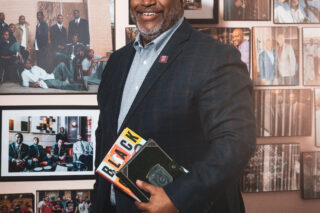

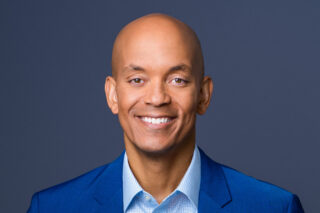
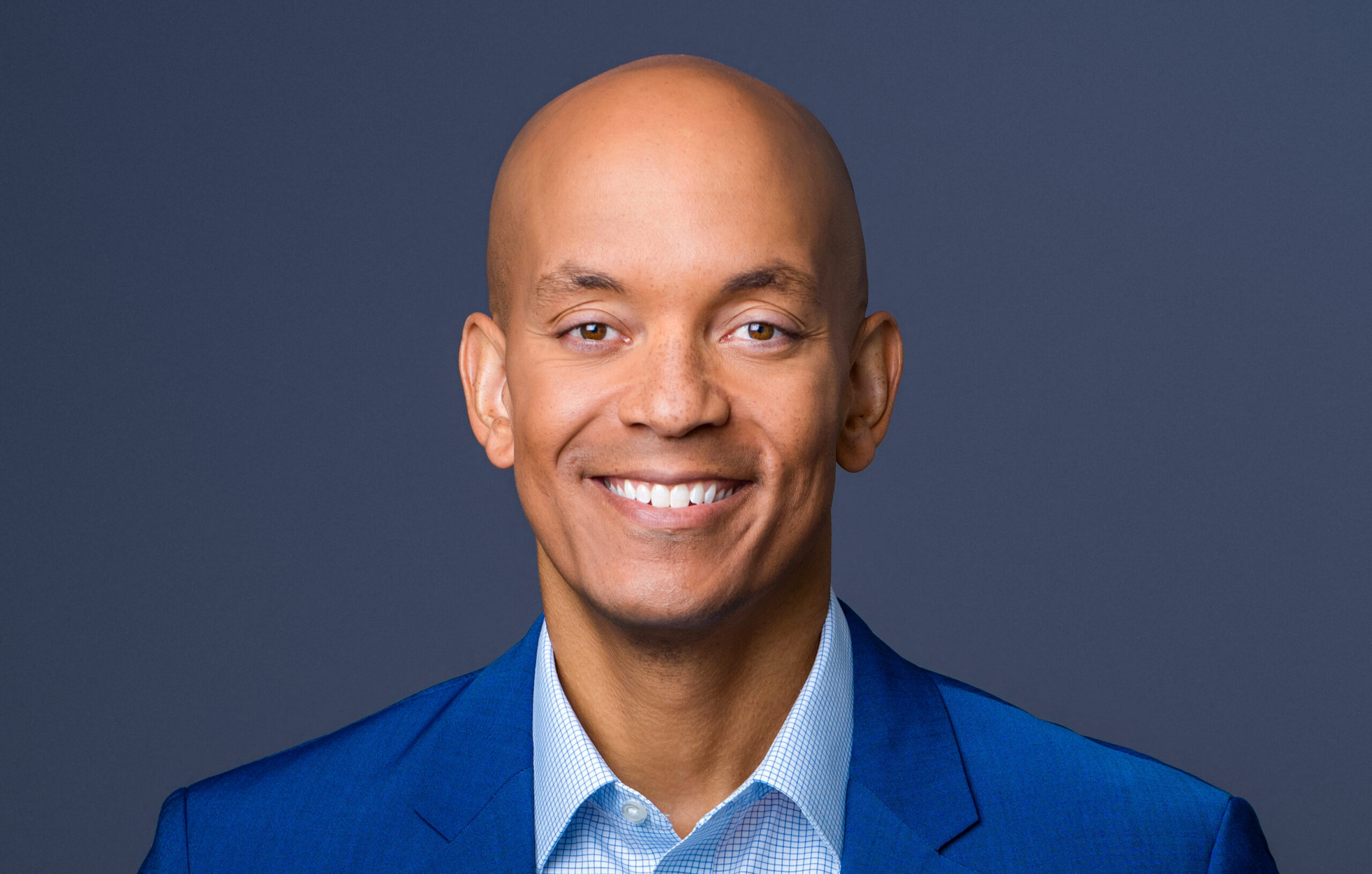
Geoff Bennett, ’02, serves as co-anchor and co-managing editor of PBS NewsHour and previously led The Maroon Tiger as editor-in-chief. He released his debut book, “Black Out Loud: The Revolutionary History of Black Comedy from Vaudeville to ’90s Sitcoms,” on March 24, and it is available wherever books are sold.
Bennett had planned to appear at the Auburn Avenue Research Library on March 30, 2026, at 6:30 p.m. for a conversation with Blayne Alexander, an Atlanta-based correspondent for NBC News. The event was free and open to the public, with copies of Black Out Loud available for purchase.
Bennett has postponed his travel to Atlanta due to airport-related disruptions and will announce a new date soon.
The Maroon Tiger’s Joshua Bass talked to Bennett about his first book and why he created it.
On the message behind Black Out Loud
Bass: At its heart, what point is your book, Black Out Loud making, and what do you hope readers understand differently after finishing it?
Bennett: At its core, Black Out Loud argues that Black comedy is a form of cultural power. For generations, it has been a way to tell the truth, to challenge systems, and to expand how America understands itself. What I hope readers come away with is a deeper appreciation for how those ’90s sitcoms, and the comedians behind them, helped shape not just culture, but identity. They made space for fuller, more complex portrayals of Black life at a scale the country hadn’t really seen before.
On what inspired the book
Bass: What first compelled you to write this book? Was there a specific moment in history or gap in understanding that made you feel it needed to exist?
Bennett: This book really started with a feeling — that something I had experienced growing up hadn’t been fully explained or documented. I was in middle and high school in the ’90s, watching Living Single, Martin, Fresh Prince, and A Different World in real time, and it felt like a cultural moment.
But over time, I realized that moment wasn’t always treated with the seriousness it deserved. There were books about politics, about policy, about civil rights — but not nearly enough about the cultural forces that were shaping how people saw Black life. I wanted to help fill that gap.
On research and storytelling
Bass: Can you walk us through your research process, and how you decided which voices or stories to center?
Bennett: The research was a mix of archival work, interviews, and cultural analysis. I spent time digging into old footage, scripts, interviews, and trade reporting, but the heart of the book comes from conversations with the people who lived it. I was intentional about centering voices that could speak not just to what was created, but why it was created. And I also wanted to connect those ’90s stories to a much longer lineage, going back to vaudeville and the Chitlin’ Circuit, to show that none of this emerged in isolation.
On structure and approach
Bass: How did you decide on the structure of the book, and what does that format allow you to do that a more traditional approach would not?
Bennett: I didn’t want the book to read like a straight chronology. Culture doesn’t move in a straight line. It loops, it echoes, it builds on itself. So the structure allows me to move between eras and ideas, to connect someone like Bert Williams to Martin Lawrence, or to show how a ’90s sitcom fits into a much longer tradition of Black performance. That approach lets readers see patterns and throughlines, rather than just a sequence of events.
On why it matters now
Bass: Why should college students — especially those at institutions like Morehouse — be reading this book right now?
Bennett: Because this book is really about understanding the power of culture and your place within it. At Morehouse, you’re constantly in conversation with history. This book is an extension of that conversation. It’s about understanding how culture — what we watch, what we laugh at, what we quote — helps shape identity and possibility. And I think there’s power in recognizing that the things that feel everyday or ordinary can actually be deeply influential.
Bennett also hopes to see lots of love from the Morehouse community at the event, encouraging students, alumni, and supporters to come out, engage in the conversation, and celebrate the cultural impact of Black storytelling together.