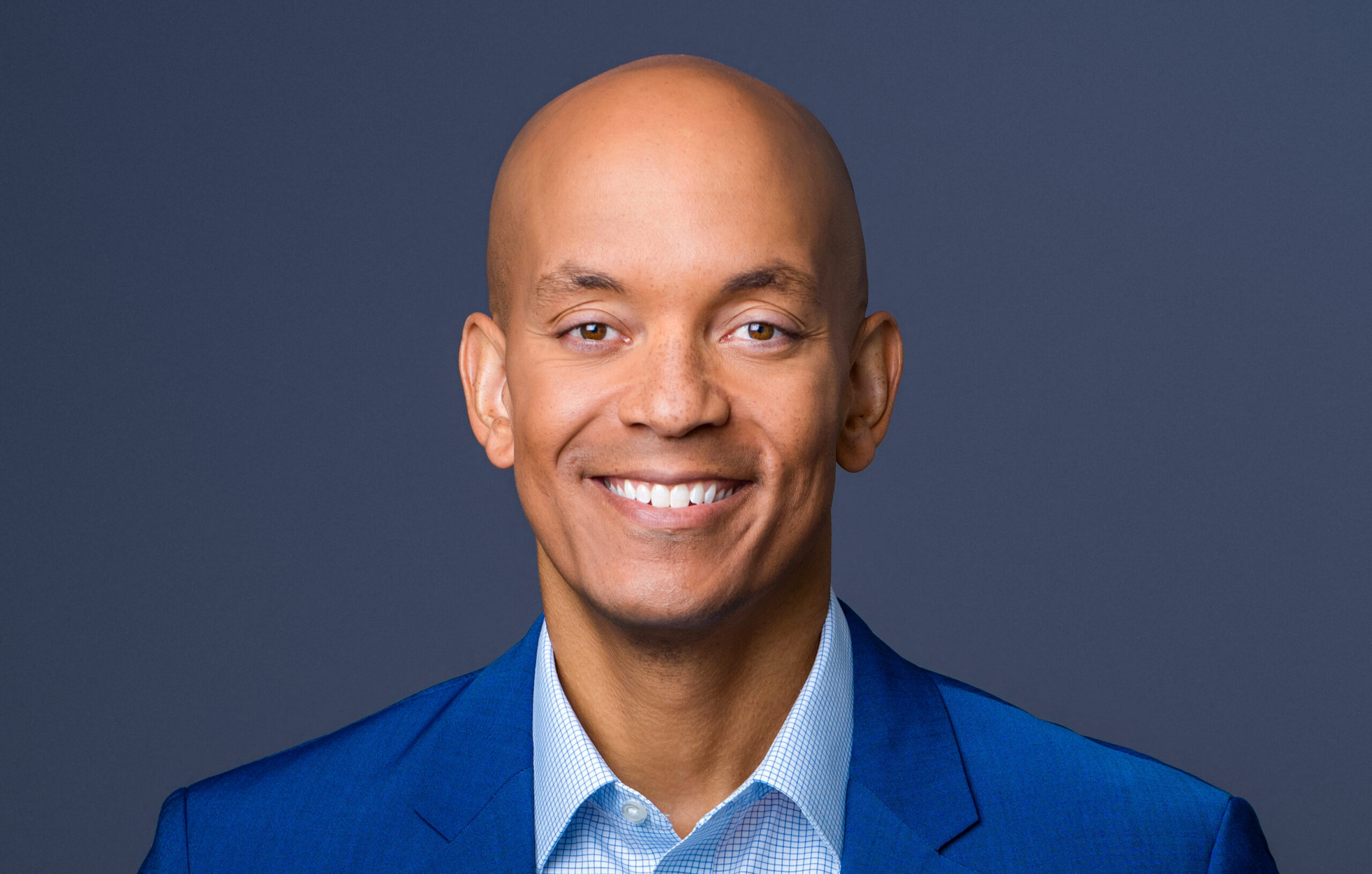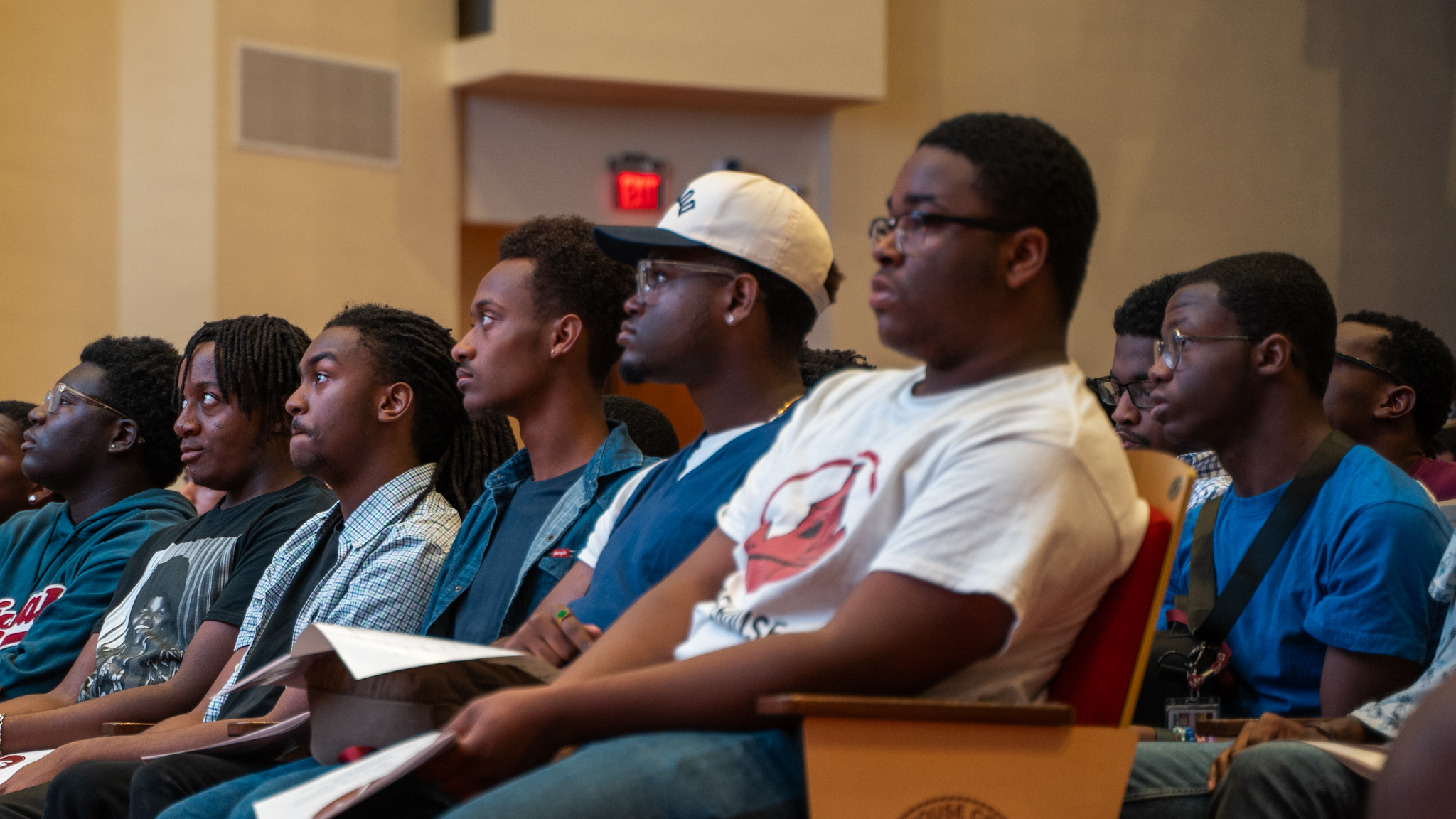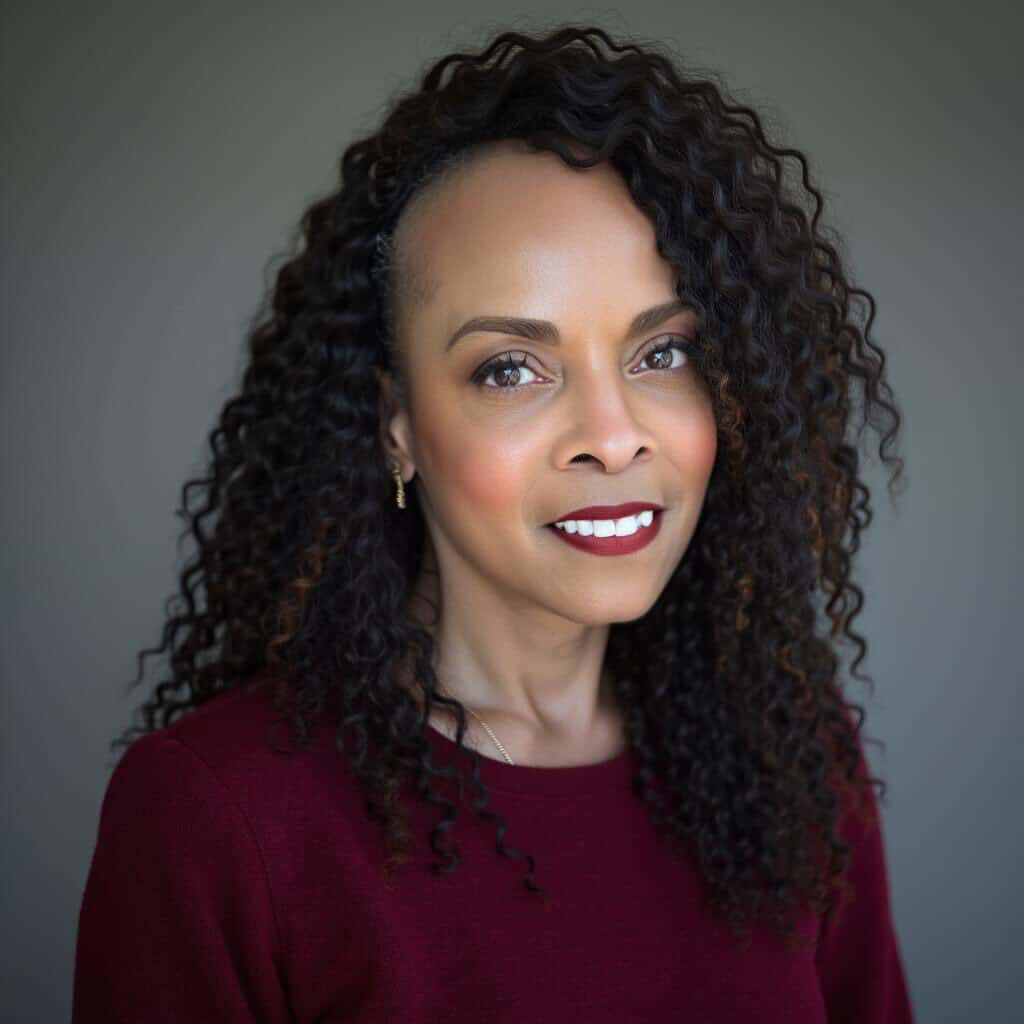
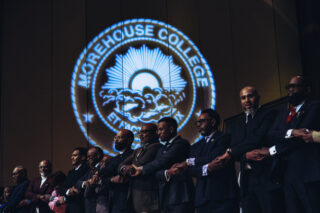
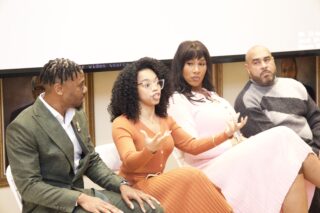

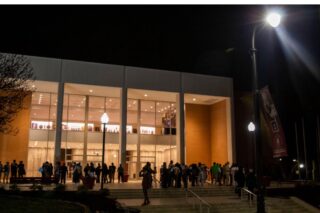
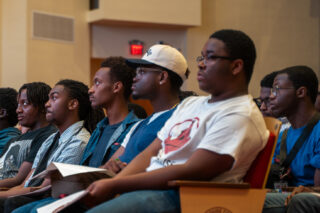

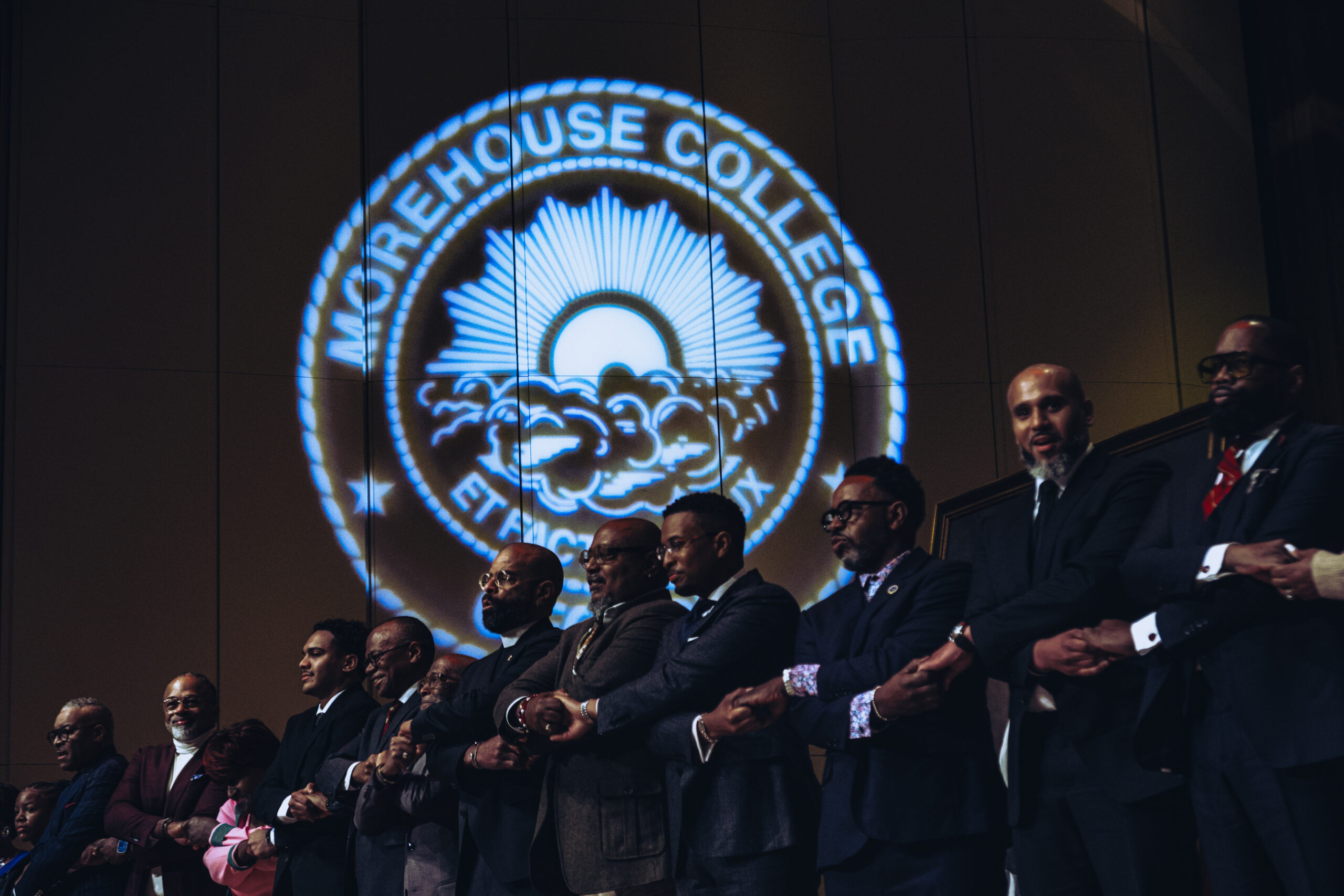
Students gathered in Martin Luther King Jr. International Chapel on Thursday, Mar. 19, for the Bayard Rustin Crown Forum panel, “Black Queer Images As Sacred Archive”. Moderated by Reverend Quincy Rhinehart, the Associate Dean of the chapel, the panel featured Reverend O.C. Allen, pastor of Vision Cathedral, a queer-affirming Pentecostal church in Atlanta; Reverend Dr. Brandon Thomas Crowley (‘08); and Reverend Father Darrell L. Tiller (‘83).
Together, they discussed the necessity and power of queerness throughout African-American history, particularly Black queerness in sacred and educational spaces. The panelists, all openly queer, reflected on the enduring legacy of queerness throughout Black religious and educational spaces.
Returning to the House
Rev. Father Darrell Tiller ‘83, underscored the importance of Morehouse College, his alma mater, calling it a “site of sacred memory and formation.” He acknowledged its potential as a training ground for radical inclusion in education. His framing positioned Morehouse as a living archive. A location that holds the cultural, spiritual, and intellectual imprints of generations of Black men. This includes those whose queerness has often existed at the margins of institutional recognition.
The Maroon Tiger spoke with Brighton Chipley, a junior biology major at Morehouse College and Treasurer of Adodi, about his thoughts on the event. Chipley notes that Adodi is the Black queer student organization at Morehouse. The organization’s primary goal is to foster visibility and safety for queer students on campus. They do so through social events, events revolving around queer literature, and even events addressing sexual education.
“As a Black queer man, it’s a beautiful discussion to have,” Chipley said. “Being in an institution that is deeply rooted in the Christian faith, it was very inspirational, not only to me, but to a lot of people in the crowd.”
Chipley admired that Crowley and Tiller were “able to come back to this institution and see how much it’s grown, but also identify where it still needs to evolve.”
This sentiment was shared by another Morehouse student, Myles Chapman, a sophomore Business major from Denver, Colorado. As a member of Adodi, Chapman felt represented, especially considering his history of navigating his sexuality alongside his faith.
“Seeing these leaders, especially knowing some of them are Morehouse alumni, be openly queer, married, and still deeply rooted in their spirituality was really inspiring,” Chapman said. “It showed me that you don’t have to hide who you are to be a leader.”
Conceptualizing queerness
While Tiller emphasized memory, Rev. Brandon Thomas Crowley highlighted the active power of the word “queer”. He let students know that its use in sacred and educational spaces is itself a revolutionary act.
“If they are not non-racial and non-transphobic, they are not queer, they are white, and they are something else,” Crowley said. Crowley urged students not to view queerness as a label that defines attraction. Rather, he encouraged them to view it as a practice steeped in the inclusion of all peoples.
Crowley extended the conversation from preservation and memory to the active work of reshaping language and perception in real time. He did so by insisting that true queerness demands accountability.
Imposter syndrome and self-love
Reverend O.C. Allen focused on the importance of queer visibility, sharing with the audience that he, too, suffered from imposter syndrome. Even as a spiritual leader, he related to the Morehouse College student body.
In addressing solutions and coping mechanisms, he shared his husband’s profound words.
“It’s not about you. It’s about all of the people who not only believed in you, but in themselves,” Allen said, quoting his husband.
Allen framed leadership not as an individual act, but as one that extends beyond the self. He reminded students that embodying queerness in sacred and educational spaces is both a responsibility and gift. By centering lived experience, Allen proved that the creation of a sacred archive begins with a life of intention.
As the panel concluded, the organizers invited students to witness the unveiling of the panelists’ portraits. This gesture made tangible the legacy of Black queerness in a space as hallowed as Morehouse College. The portraits served as both homage and affirmation, echoing the panel’s sentiment of creating a “Black Sacred Archive.” They continue the work of memory, visibility, and inclusion within sacred and educational spaces. The moment showed how attendees actively celebrate and embody queerness rather than simply remember it, leaving a lasting impression on everyone present.