





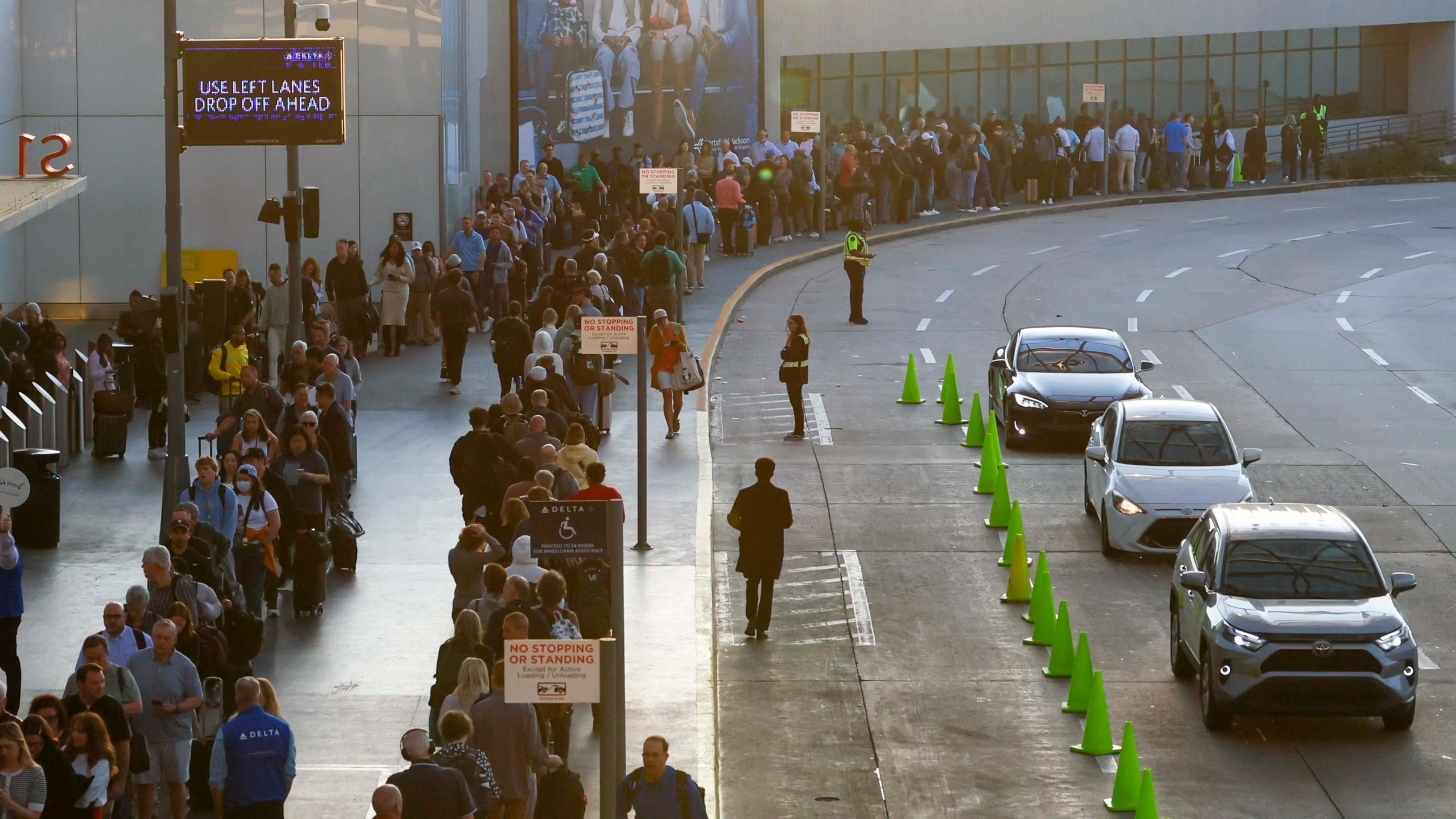
A growing crisis at airports across the United States, especially at Hartsfield-Jackson Atlanta International Airport, is disrupting passengers and workers as political gridlock in Washington stalls funding for the Transportation Security Administration. Long security lines have escalated from inconvenience to full-scale disruption, causing missed flights, exhausted workers, and a politicized battle over responsibility.
Funding deadlock strains TSA
The disruption stems from a Department of Homeland Security funding impasse tied to broader disagreements over immigration policy. TSA operates under DHS, leaving thousands of officers without pay. Republican members of Congress blocked multiple Democratic-backed bills to fund TSA operations, preventing a vote that could have restored pay and stabilized staffing. Lawmakers said the president rejected a proposed agreement to pay TSA workers, signaling a breakdown in last-minute compromise efforts.
Film producer Tyler Perry handed out money to some TSA officers at Hartsfield-Jackson, drawing attention but failing to resolve the funding problem.
Atlanta at the center of delays
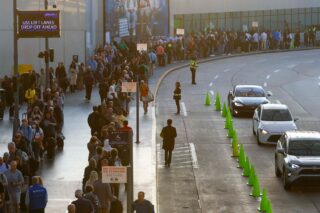
Hartsfield-Jackson, the world’s busiest airport, has become a standstill environment. Passengers report waiting two to three hours at security, arriving three to four hours early, and still missing flights. Because Atlanta serves as a central hub, delays ripple across connecting flights nationwide.
Delta Air Lines suspended some travel perks for members of Congress, signaling corporate frustration. Travelers face missed vacations, spring break trips, and last-minute rebookings, while crowded airports heighten tensions.
ICE agents deployed
ICE agents are assisting at airports, including Atlanta. Officials say they support operations rather than replace TSA agents. Critics argue the agents lack specialized training, do little to reduce wait times, and raise anxiety for some travelers.
TSA workers continue reporting to work without pay, facing financial strain, burnout, and declining morale. Travelers cope with missed flights, limited communication, and extended delays disrupting personal, academic, and professional plans.
Airports advise earlier arrival times, and airlines adjust operations. ICE support remains limited. None of these measures address the underlying issue: lack of federal funding and political agreement. Until Congress and the administration act, TSA will remain understaffed and disruptions will continue.
The crisis highlights how political disagreements affect daily life. In Atlanta, travelers miss flights, workers remain unpaid, and corporations signal frustration, while policymakers remain at an impasse.