


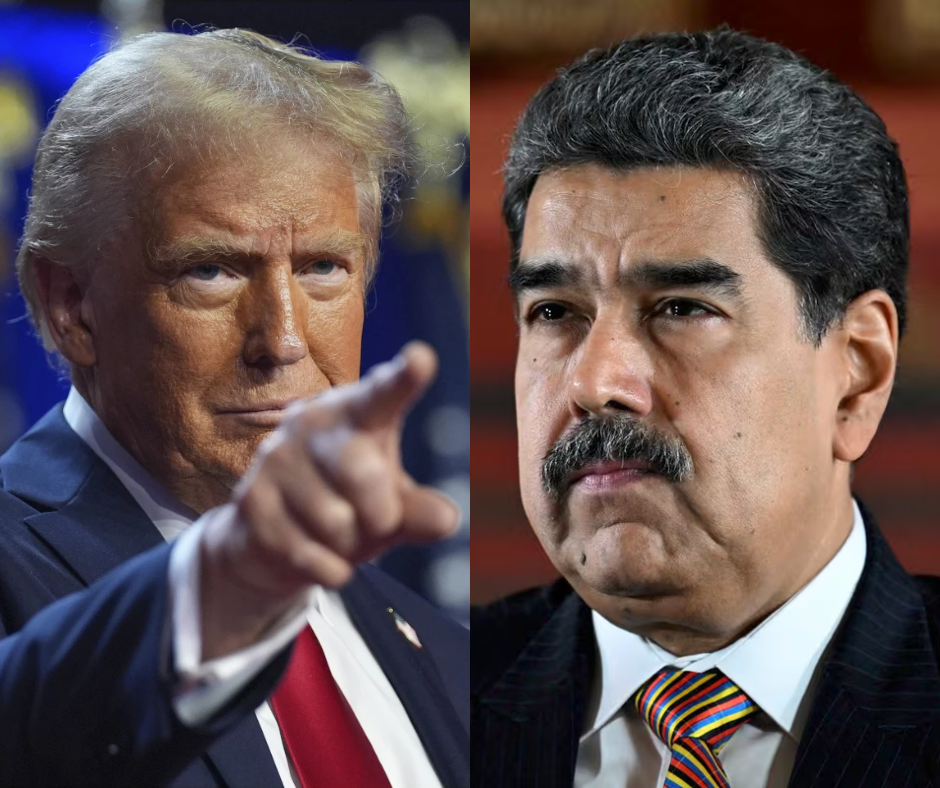
In a bold move to allegedly combat narcoterrorism and potentially strengthen the United States’ economy, President Donald Trump launched an assault on Caracas, Venezuela, on Jan. 3, 2026, capturing Venezuelan President Nicolás Maduro and his wife, Cilia Flores. Despite Trump’s dominant display of military power over the Venezuelan president, his continued threats of intervention place other Latin American countries in a state of uncertainty.
“Drill, baby, drill”
President Trump plans to restore oil production in Venezuela through U.S. oversight and private sector-led investment into the country’s oil reserves. Amidst calling on petroleum companies such as Chevron, ExxonMobil and ConocoPhillips, Trump seeks $100 billion in capital from the private sector to invest in the redevelopment of Venezuela’s oil infrastructure. Many oil companies, despite Trump’s plea, view Venezuela as “uninvestable”.
When Operation Absolute Resolve (codename for the U.S. assault on Venezuela) materialized in Caracas, junior software engineering major and futures trader Korey Moore ‘27 spotted an outpour of oil contracts being sold in the commodity market, an anticipatory maneuver regarding the oil reserves falling in the U.S.’ s hands. Following that, Moore alleges that a group of oil beneficiaries manipulated the market in an effort to maintain oil prices, bringing them up 2.55% on Jan. 5.
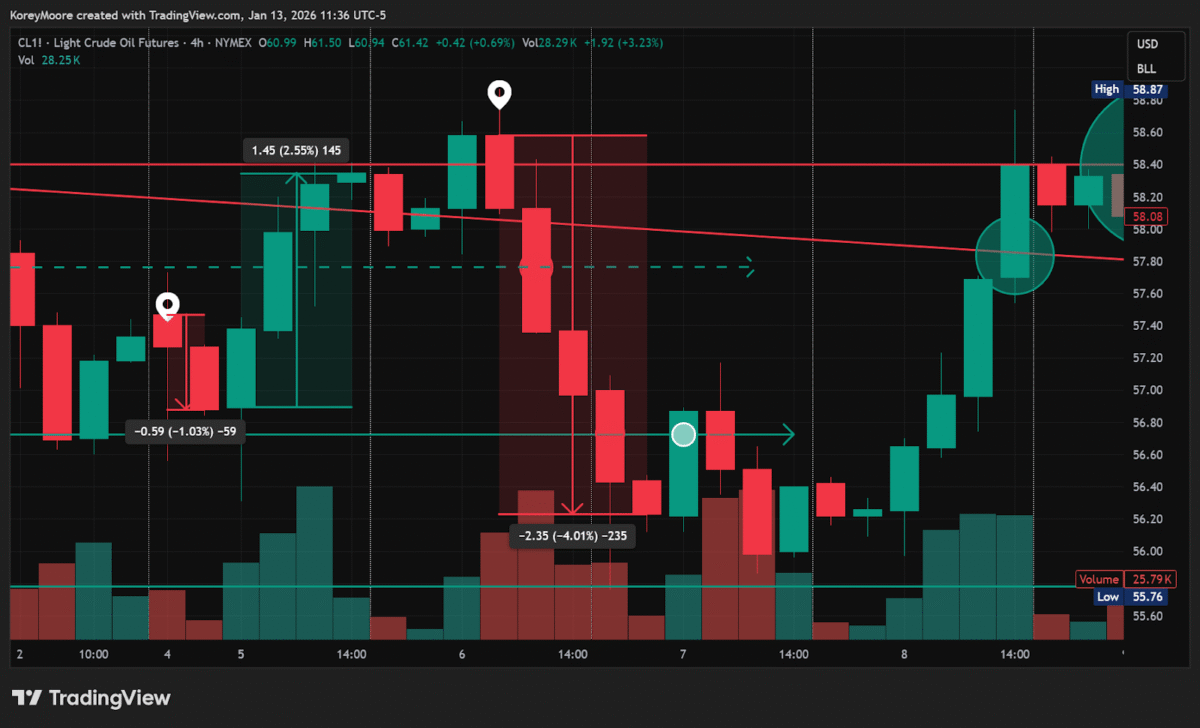
“What we observed is basic supply and demand mechanics,” he said. “Even though there were some manipulators trying to uphold the price of oil in order to protect their profitability, you can only manipulate the market for so long before natural conditions prevail.”
After Trump announced his plan to restore oil production in Venezuela under U.S. oversight on Jan. 6, oil prices dropped by 4.01% within hours of the news breaking.
Governance through power
Despite pushback from Congress against military action, the Trump administration claims that U.S. oversight will “benefit the people of Venezuela and the United States.” In an interview with CNN’s Jake Tapper, White House Deputy Chief of Staff Stephen Miller echoed the U.S.’s supposed predominance, justifying authoritative measures towards countries of value to American interests.
“We live in a world, in the real world, Jake, that is governed by strength, that is governed by force, that is governed by power,” Miller said. “It is absurd that we would allow a nation in our own backyard to become the supplier of resources to our adversaries but not to us.”
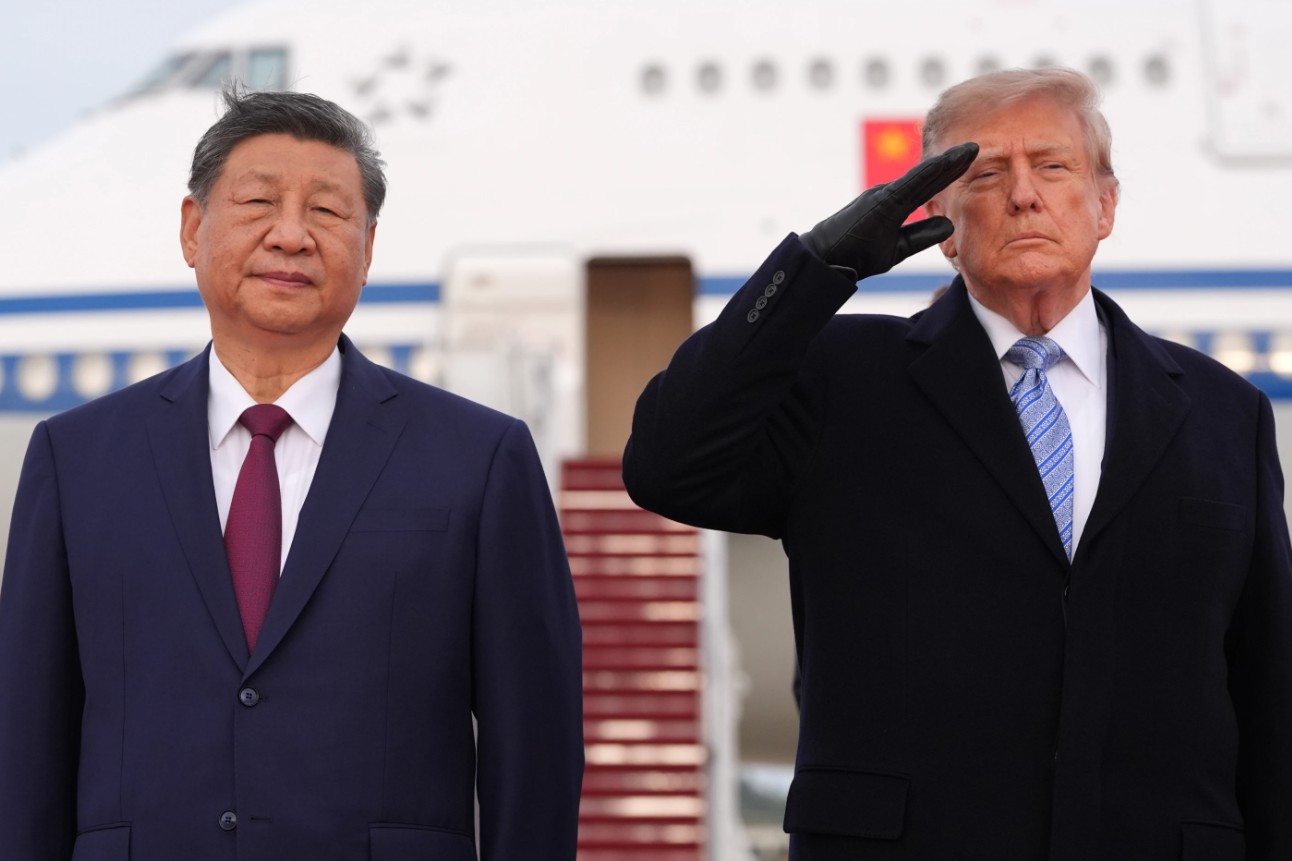
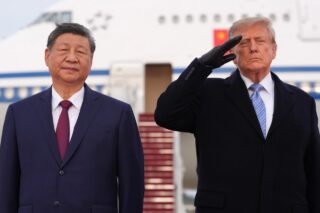
John Jairo Garcia Díaz, a Colombian pastor who resided in Venezuela, the U.S. and now Spain, believes Venezuela is a pawn in the U.S’s game of chess against China and Russia. The Asian nations were two major beneficiaries of his former country’s oil reserves before U.S. intervention.
“It’s about weakening the other countries,” he said. “Donald Trump doesn’t even fake it. He says it very clearly: ‘That is our petroleum, our oil. Those are our lands and we’re going to make a lot of money.’”
Blocked from economic prosperity
Maduro inherited an already poverty-stricken Venezuela after his appointment in 2013 by Hugo Chávez. Diplomatic conflicts with the U.S. and neighboring countries resulted in further sanctions on their ability to trade. Despite accusations of an iron fisted rule, Garcia Díaz doesn’t consider Maduro a dictator. Rather, he points much of the blame for Venezuela’s economic struggles to the U.S.
“How could they (Venezuela) sustain themselves?” he said. “Nobody could sell them food…and the oil that they could sell, they had to sell with a lot of discounts.”
Sectoral sanctions, restrictions on specific industrial activities within a country, were first introduced to Venezuela by the Trump administration in 2017. These sanctions are an intensified model of the Obama administration’s individual sanctions on Venezuelan officials from 2014-2015.
With Venezuela now under mandate to trade their oil exclusively with the U.S., Cuba, an already struggling nation, is now stranded in even more economic ruin without their top supplier of subsidized oil.
“I can’t envision Cuba getting any worse,” junior sociology and comparative women’s studies double major and president of Afro-Latinidad Joasia Jacobs said. “In order to sustain a life in Cuba, you need a family who’s in the United States that sends you items, your necessities.”
All about the ballot
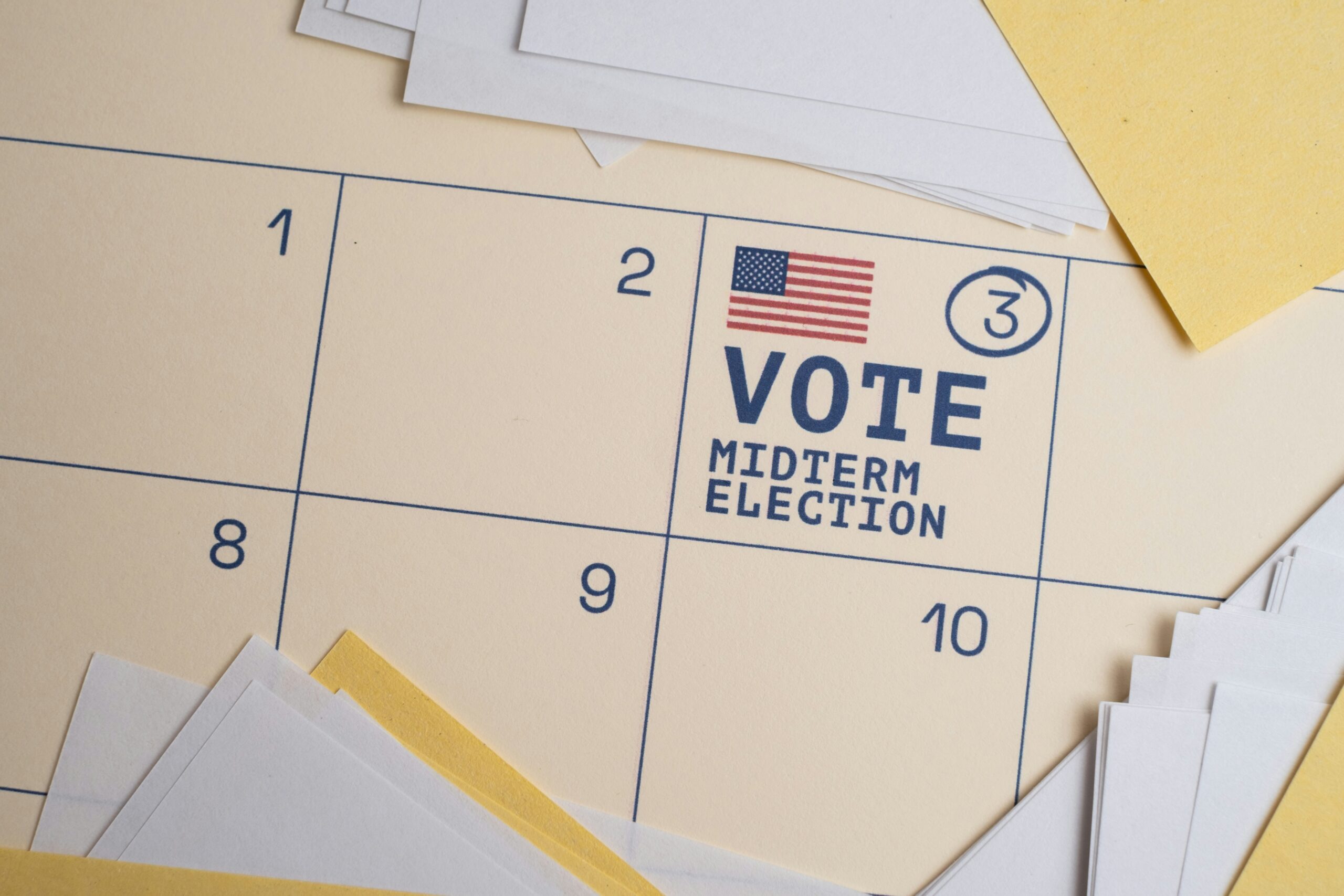
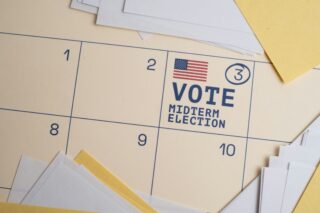
Garcia Díaz believes the U.S. midterm elections will determine the future of foreign relations between the U.S. and Latin American countries. With overwhelming democratic influence in the U.S. Senate and deals between South American countries and U.S. liberals, Garcia Díaz believes the interventions can cease if democratic principles prevail in the midterms.
“The Democrats are going to be in charge of restoring democracy in Venezuela,” he said. “That’s going to be the route that they will follow.”