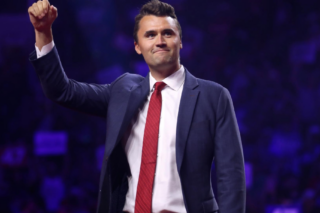






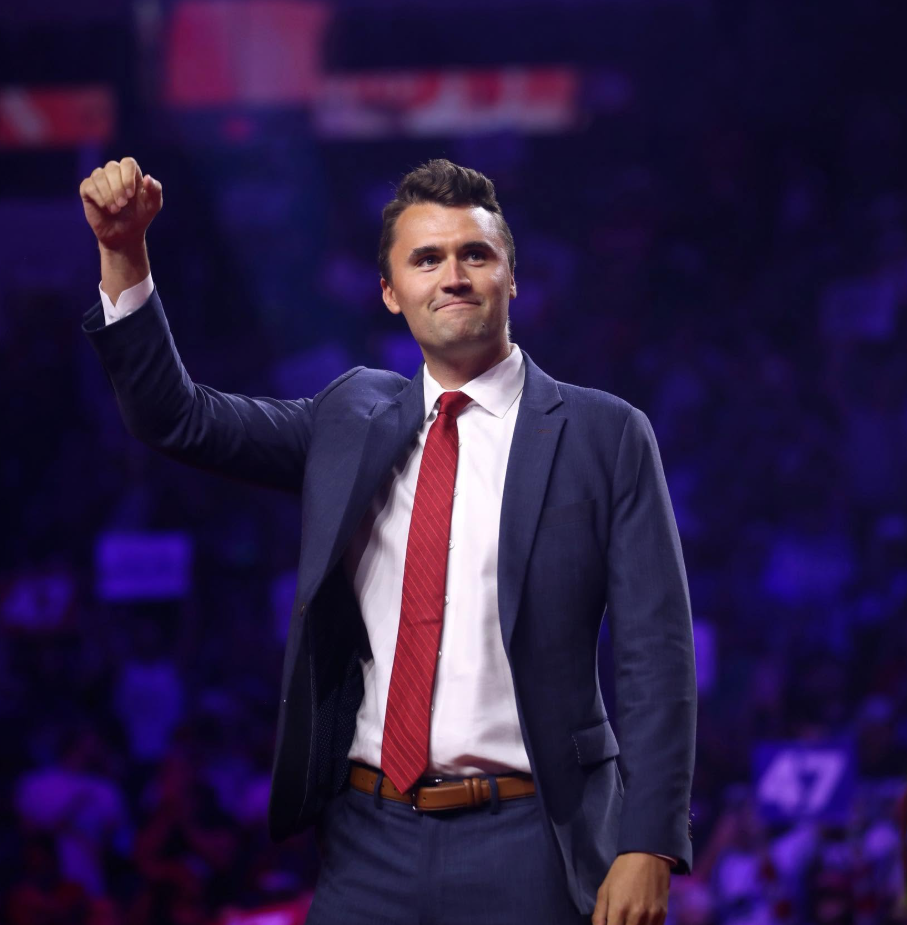
Charlie Kirk was shot and killed a year ago today.
It was a mortifying display that was filmed and casually circulated throughout the media. The subsequent months contained a distasteful social media trend known as “kirkification”, the use of artificial intelligence to superimpose Kirk’s face onto images of figures like the Mona Lisa, DaBaby or Jeffrey Epstein. The trend also included alterations to common phrases and parodies of songs.
Kirk’s assassination is an ultimate example of political violence. Instead of recognizing this, the masses laugh at his death and have transformed it into a meme.
Today marks what social media is calling the first “Kirkversary”. This trend offers a perfect moment to be reminded of the real issue that is among us. Granted, it is difficult to identify because it’s hidden by memes, corny references and denial. However, to give up due to difficulty would play into the hands of the narrative-setters.
Social media has a grip on Generation Z, obstructing their pursuits of media literacy. They are too distracted by hyperstimulation to realize the devastating state the world is in. Conversely, there are those who may be aware but decide to ignore issues since they’re not the ones being shot.
Both groups are at fault.
Social media has continuously leaned into its role as the great pacifier, and the masses fall into a deeper sleep. Its influence is expansive and is being recognized by political entities as a tool for strengthening their platforms by weakening their constituents’ minds.
Charlie Kirk’s transition to a meme after death is not the first time a severe event has been made a joke of. However, the timeliness of today acts as a prime illustration of the issue.
Social media as a platforming tool
The White House’s Instagram makes multiple attempts to appeal to a younger audience through its social media. On Sept. 9, they made a flyer with Optimus Prime from Transformers on the cover, ramming into a large semi-truck, making it explode. The bottom of the image reads: “Transformers: Age of Deportation”.
On Sept. 5, they posted a video formatted the same as the iconic Big Ten commercial that advertised some of Trump’s alleged feats, such as increased production of “real food,” a wall on the southern border and a strong military.
I believe these attempts serve three purposes:
To push propaganda to a certain audience by using pop culture references, to make ridiculous posts that anger the left and distract them from larger issues, and to overstimulate opposition on the right and eventually exhaust them from engaging in politics.
Whatever the White House’s motivation is behind their social media antics, the solution is simple. We must not discredit the necessity of media literacy and of staying informed about current events.
The Democrats’ TikTok page is not purely political or informational, either. They, too, discredit their own party. Whether it is making romance videos of Barack Obama and Joe Biden, Hunger Games references with Caroline Levitt as one of the fallen tributes or conducting tarot card readings.
What they are hiding
These strategies detract from the larger tasks at hand. By engaging with politicians’ social media platforms in this way, we are complicit in their attempts to prioritize trends and popularity over facts and policy.
The earth is heating at an alarming rate, gas prices in the United States have nearly doubled since Trump’s State of the Union address, the wars in Iran and Sudan persist and the people of Gaza continue to be killed en masse.
Despite the jokes that come with Charlie Kirk’s death, Donald Trump’s health or Barack Obama’s charisma, we must never ignore what is being hidden from us, the truth.
To celebrate the first “Kirkversary” is to accept that political violence is funny. To joke about Trump’s health is to make light of a desolate situation in this country. Our world is suffering, people are dying, and yet, we laugh.