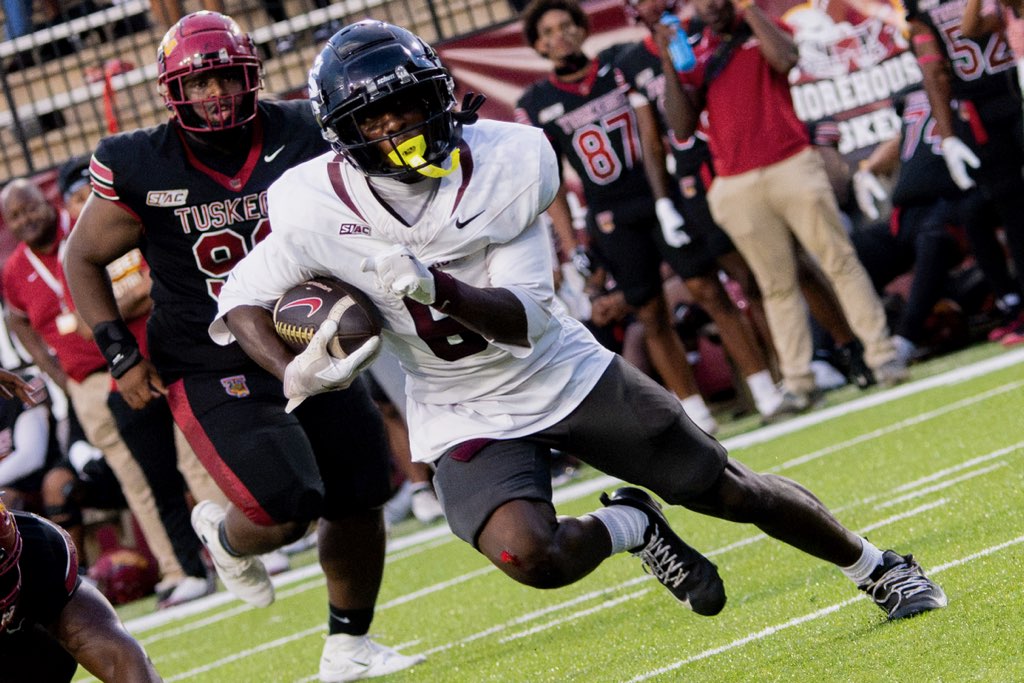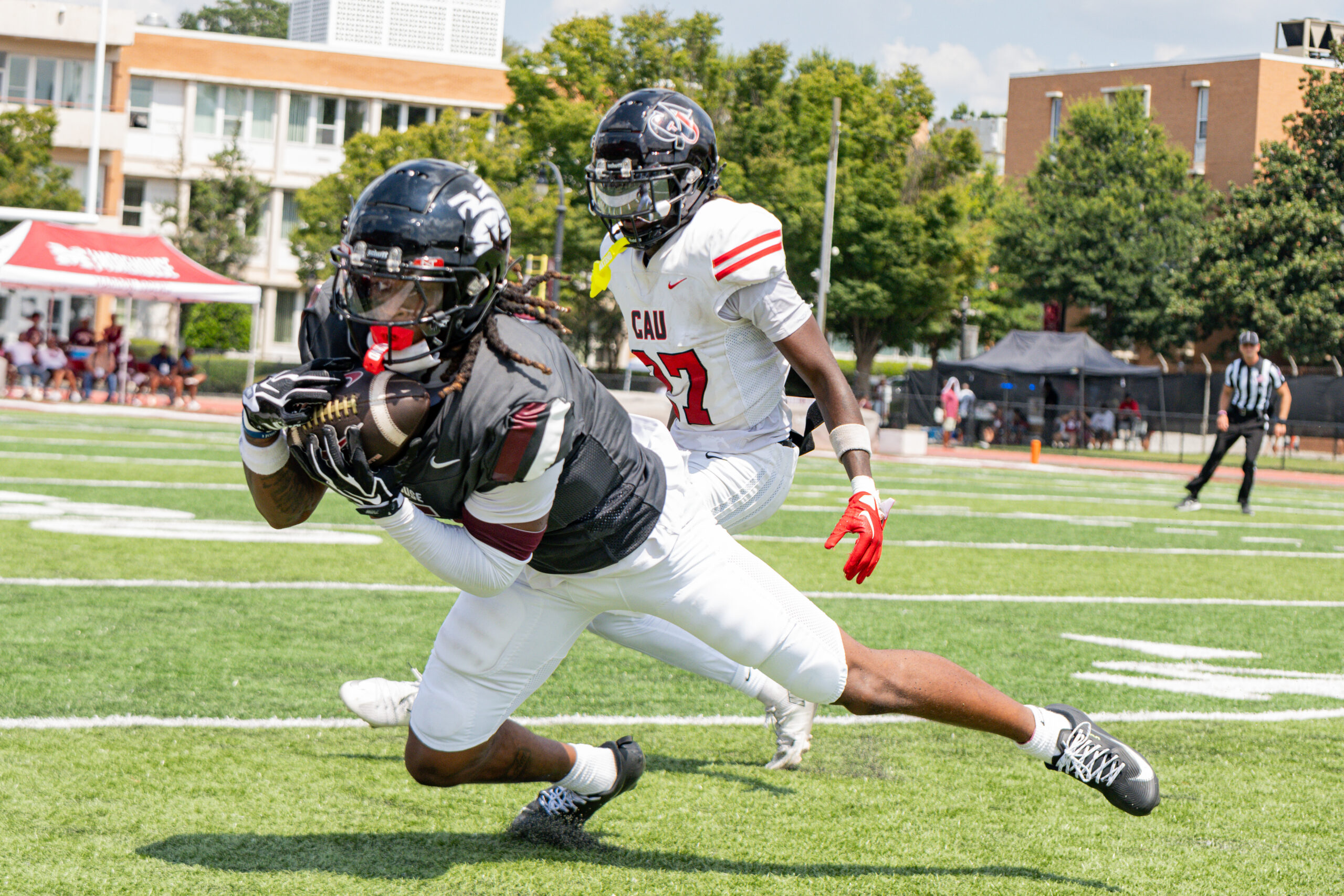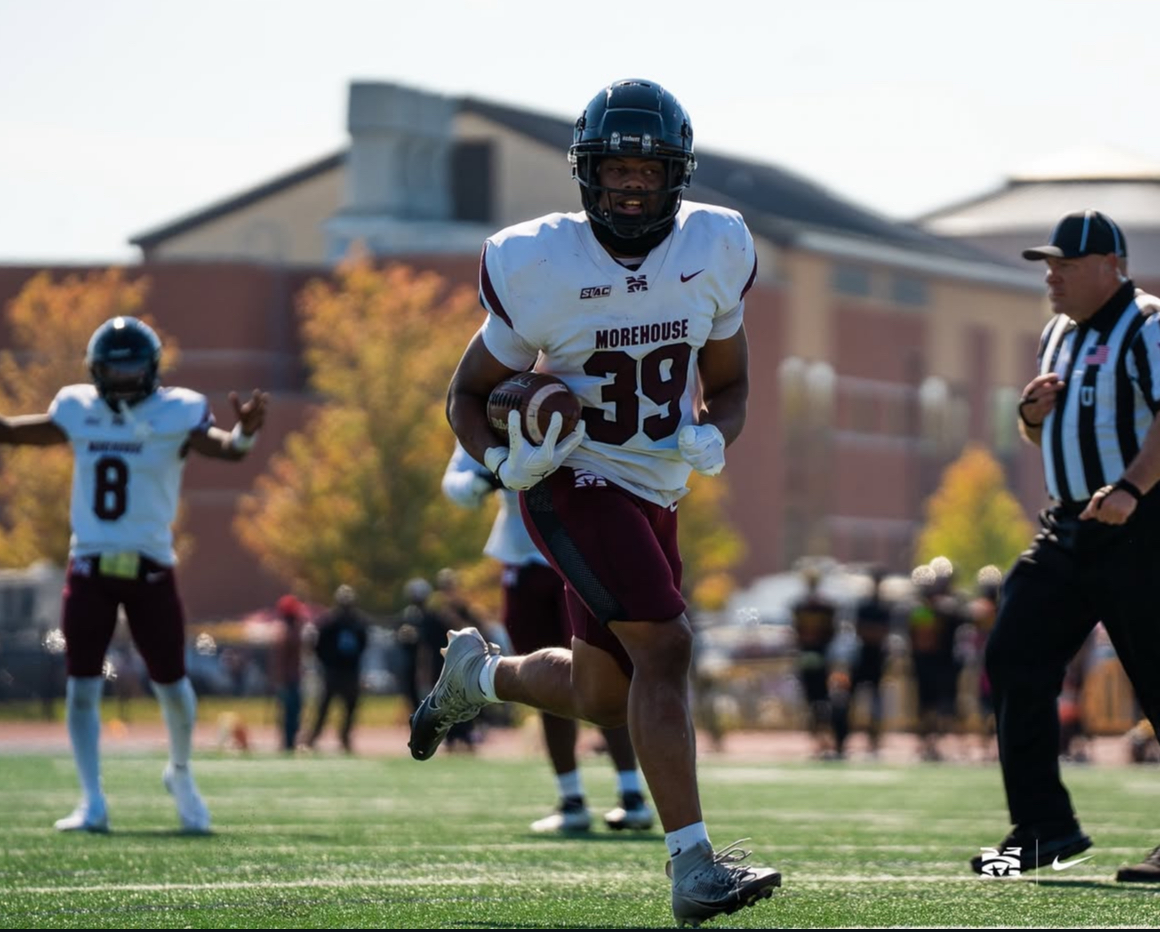


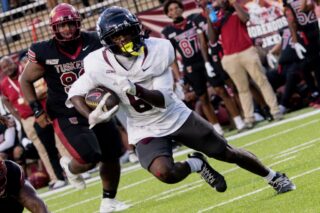
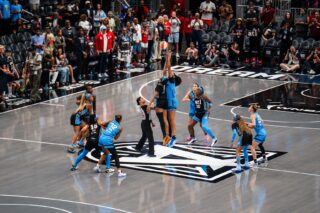
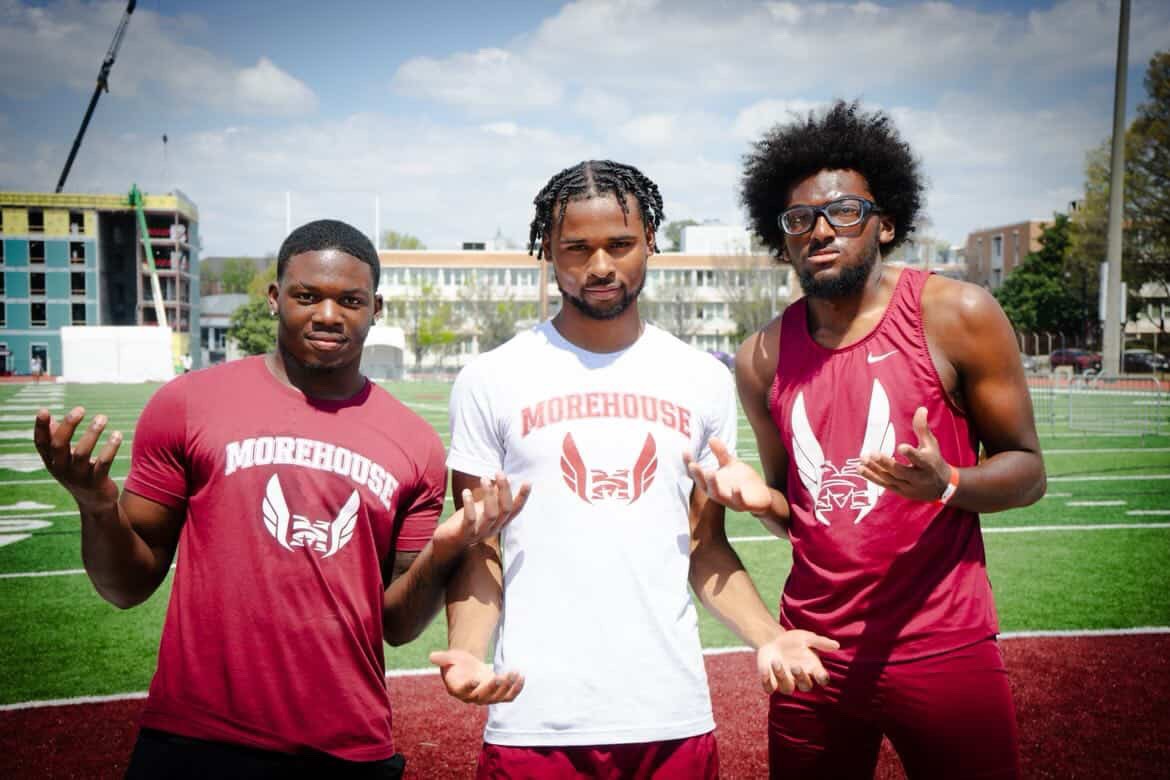
For decades, HBCU athletes have produced elite results across multiple sports, often matching or surpassing their PWI counterparts, yet the level of national recognition rarely reflects that reality. The issue isn’t talent, it’s visibility.
From Olympic legends to present-day competitors, HBCUs have consistently developed world-class athletes. Names like Edwin Moses, Walter Payton and Ben Wallace all began their journeys at HBCUs, yet their origins are often overlooked in mainstream sports conversations.
That disconnect is something current athletes experience in real time.
“More people should pay attention to HBCU track and field,” said Morehouse freshman jumper Quintin Tookes II. “We have some dogs that go unnoticed due to lack of coverage.”
For many HBCU athletes, the grind is fueled by passion rather than exposure. Freshman mid-distance runner Blake Pollock summed it up in one word: “Thrill.” He explained that many athletes are “grinding for the love of the sport with no incentive.” Pollock also emphasized the deeper meaning behind competing at an HBCU.
“I feel like we are rich because of how much we value our history,” he said. “We never forget what the school was built on.”
That sense of history is deeply rooted at Morehouse College, where legacy often outweighs resources. Even with limited facilities in earlier years, the institution has produced greatness.
“In my generation, we had a hunger that a lot of athletes today don’t really have,” Edwin Moses said. “We didn’t have a facility. We didn’t have a weight room… we didn’t have any of that stuff.”
Despite those challenges, Moses became one of the most dominant hurdlers in track and field history.
“When I came, I wasn’t recruited. I was completely unrecruitable,” he said. “I came on an academic scholarship, but I just loved the sport of track and field.”
Why the Gap Exists
The difference in recognition between HBCUs and PWIs is often rooted in structure rather than performance.
Simeon Adan, a freshman sprinter at the University of Pennsylvania, pointed to the advantages that larger Division I programs hold.
“A lot of it comes from how these schools are marketed, their alumni base, student population and the sports history tied to the program,” Adan said. “Bigger Division I schools also have more money to invest in athletics and academics, which naturally brings a bigger audience. Things like NIL opportunities, scholarships and facilities all play a role too.”
His perspective highlights that visibility is often tied to financial investment and institutional reach, a key difference between HBCUs and PWIs. Larger programs benefit from national broadcasting deals, expansive alumni networks and well-funded athletic departments, all of which help elevate their athletes into the spotlight.
Meanwhile, HBCU programs, despite producing comparable performances, often operate with fewer resources and less consistent media coverage. The result is a disconnect between performance and recognition.
Excellence Without Amplification
The result is a landscape where HBCU athletes continue to excel—just without the same spotlight.
Still, the culture, pride, and purpose behind HBCU athletics remain unmatched. Athletes compete not only for wins, but for legacy, representation, and something bigger than themselves.
Because when it comes to HBCUs versus PWIs, the difference isn’t always talent. More often, it’s who’s paying attention.