







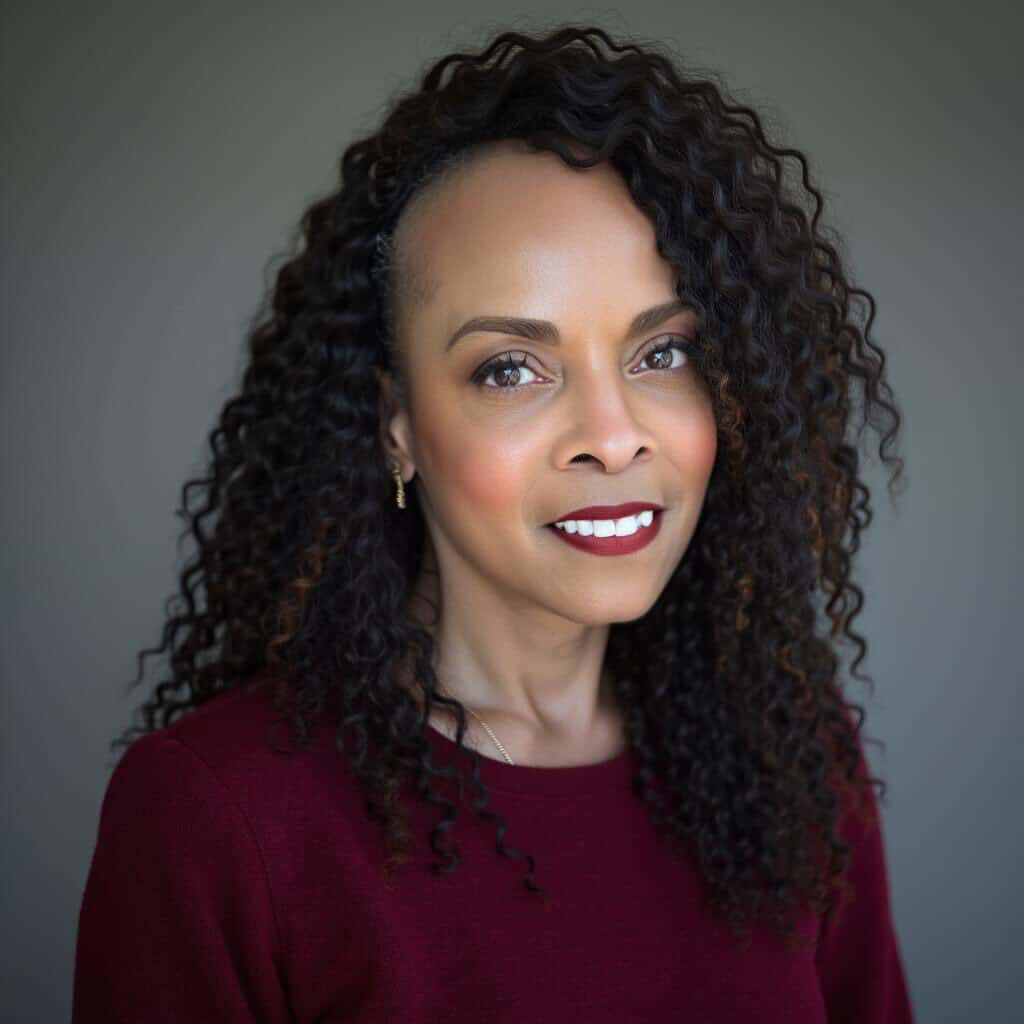
For decades, society has framed the conversation surrounding Black men’s health around a singular, exhausting word: resilience. Dr. Wizdom Powell’s goal is different. Powell is a clinical psychologist and nationally recognized expert on the social determinants of health. She doesn’t just want to see Black men survive the systems built to break them. She argues the goal is to see Black men flourish within a democracy that finally loves them back.
A former White House Fellow, Powell has spent her career at the intersection of data and dignity. Recently, as a featured speaker for Crown Forum, she sat down with Dr. David Wall Rice to share her vision. A future where health equity is not a buzzword, but a lived reality for men and boys of color.
A legacy of “deafening silence”
Powell’s journey into the field of masculinities and mental health began with an observation of what was missing. She noticed a pattern of men dying earlier than women across the globe. However, their specific struggles remained largely “invisible” in public discourse. This invisibility, she argues, creates a “deafening silence” around issues like suicide and depression in Black men.
“Data is just stories with the soul scraped off,” Dr. Powell explains. “My job is to put the soul back into the statistics.”
For her, this means recognizing that for men of color, not seeking healthcare isn’t just about a lack of interest. It’s often a way to reclaim power and autonomy in a system that has historically stripped it away, she said.
The burden of the “Man Box”
Central to Powell’s work is the deconstruction of the “Man Box,” a set of rigid social norms that instruct men to be strong, stoic, and silent. She points out that while some aspects of traditional masculinity can be positive, the pressure to “take stress like a man” and maintain unmitigated self-reliance has a physical cost.
She speaks frequently about “John Henryism”. This is a psychological state where Black men overexert themselves to the point of cardiovascular collapse to overcome systemic barriers.
“We have asked Black men to be resilient in systems designed to break them,” Powell notes. “Male bodies keep score because they’re taught to move through life with this relentless sense of self-reliance”.
Redefining strength as vulnerability
Powell is adamant that healing is, in itself, a political act. By prioritizing their mental well-being, Black men are rebelling against a society that values their labor over their humanity.
“Reimagining the ways in which boys are taught to be in the world could be a clear first step [toward] upending some of the patterns of resisting help seeking,” she says. Powell envisions a world where “radical healing” is accessible in the spaces where men “live, work, play, and pray,” and where leaders transform systems to meet men at their highest intentions to be well.
A call for sovereignty
Dr. Powell leaves us with a challenge that feels especially poignant for the next generation of Black leaders. She isn’t just looking for a seat at the table; she is looking to rebuild the room. She clarifies that her mission isn’t about stripping away identity, but expanding it.
“I am not here to feminize the men and say don’t feel like a man,” Powell asserts. “It’s about wholeness. The problem with masculinities is that they’ve been too narrowly constructed.”
For her, the goal isn’t just survival, it’s sovereignty.
“Radical hope is the belief that tomorrow can be better than today, and that we have the power to make it so.”