
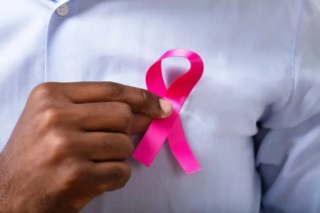








Every October, pink ribbons, fundraisers and awareness campaigns bring national attention to breast cancer and the millions of people affected by it. The pink ribbon remains a powerful symbol of advocacy, solidarity and hope. However, men are often overlooked in these conversations.. Despite growing awareness surrounding breast cancer, many men remain unaware that they, too, can develop the disease.
Although breast cancer is overwhelmingly diagnosed in women, men are not immune. According to the American Cancer Society, an estimated 2,670 men will be diagnosed with invasive breast cancer in the United States in 2026,and approximately 530 men will die from the disease.
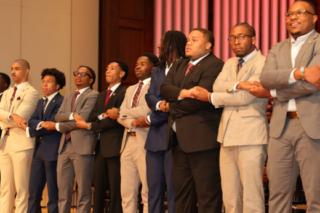
At Morehouse College, an all-male institution, these statistics raise an important question: How much do young men know about a disease they may not realize can affect them?
Breast cancer develops when abnormal cells in breast tissue begin growing uncontrollably. Although women typically develop more breast tissue during puberty, men also have breast tissue, making it possible for the disease to develop in either sex.
According to the Centers for Disease Control and Prevention (CDC), approximately 1 in 100 breast cancer diagnoses in the United States occurs in a man.
Despite its rarity among men, recognizing symptoms remains important. Common warning signs include lumps or swelling in the breast, nipple changes, skin irritation and unusual nipple discharge. Although these symptoms do not necessarily indicate cancer, they should be evaluated by a health care professional.
Several factors can increase a man’s likelihood of developing breast cancer, including genetics, hormonal changes and age. Men with a family history of the disease may face an increased risk, particularly if they inherit certain genetic mutations.
Hormonal factors also play a role. Estrogen-containing medications, including drugs historically used to treat prostate cancer, may increase a man’s risk of developing breast cancer.
Certain conditions affecting the testicles’ surgical removal to a testicle, have also been associated with increased breast cancer risk.
Although breast cancer can develop at any age, the average age of diagnosis among men is between 60 and 70.
At Morehouse College, where conversations about Black men’s health carry particular significance, students’ reactions reveal how misconceptions about breast cancer can shape their understanding of the disease.
Morehouse freshman Karrington King said he was shocked to learn that men could develop breast cancer.
“I think we have to move away from the idea that certain health issues only affect one gender,” King said. “Just because something is talked about more in relation to women doesn’t mean men are immune to it.”
King’s comments highlight how perceptions of breast cancer as a women’s disease can influence men’s understanding of their own health risks.
Similarly, Kingston Fuller, a premed student, said breast cancer awareness campaigns often focus on women, potentially , leaving men unaware of their own risk.
“Representation matters, but I don’t think men should become the dominant narrative when discussing breast cancer,” Fuller said. “It’s not about taking attention away from women. It’s about making sure men understand that this is something that can affect us, too.”
The lack of awareness surrounding male breast cancer extends beyond college campuses. Medical professionals have also expressed concern that men may overlook symptoms because they do not recognize themselves as being at risk.
“It’s so uncommon in men that many ignore the signs,” said Dr. Halle Moore, a medical oncologist and hematologist at Cleveland Clinic, in an article published Aug. 13. “That can sometimes lead them to dismiss symptoms or delay seeking care.”
Because routine breast cancer screening is not generally recommended for men at average risk, understanding personal risk factors and recognizing symptoms is especially important. Men who notice unusual changes in their breast tissue should consult a health care professional.
As Breast Cancer Awareness Month concludes, the conversations at Morehouse reveal the importance of looking beyond the traditional image of breast cancer.
While women remain disproportionately affected, the perspectives of students, King and Fuller demonstrate why awareness should not be limited by gender.
At an institution dedicated to developing Black male leaders, understanding men’s health begins with challenging assumptions about which diseases can affect them.
Breast cancer has no gender, and as Morehouse students challenge misconceptions surrounding men’s health, the pink ribbon remains a powerful symbol of awareness, advocacy and solidarity for everyone affected by the disease.
Students seeking information about breast cancer can visit the American Cancer Society, Centers for Disease Control and Prevention (CDC) and Susan G. Komen websites for resources on symptoms, risk factors and support services. Morehouse students can also contact the AUCC Student Health and Wellness Center at 404-756-1241 for medical guidance or to schedule an appointment. For King and Fuller, challenging misconceptions about breast cancer begins with recognizing that men’s health deserves a place in the conversation.