



A call that reached beyond campus
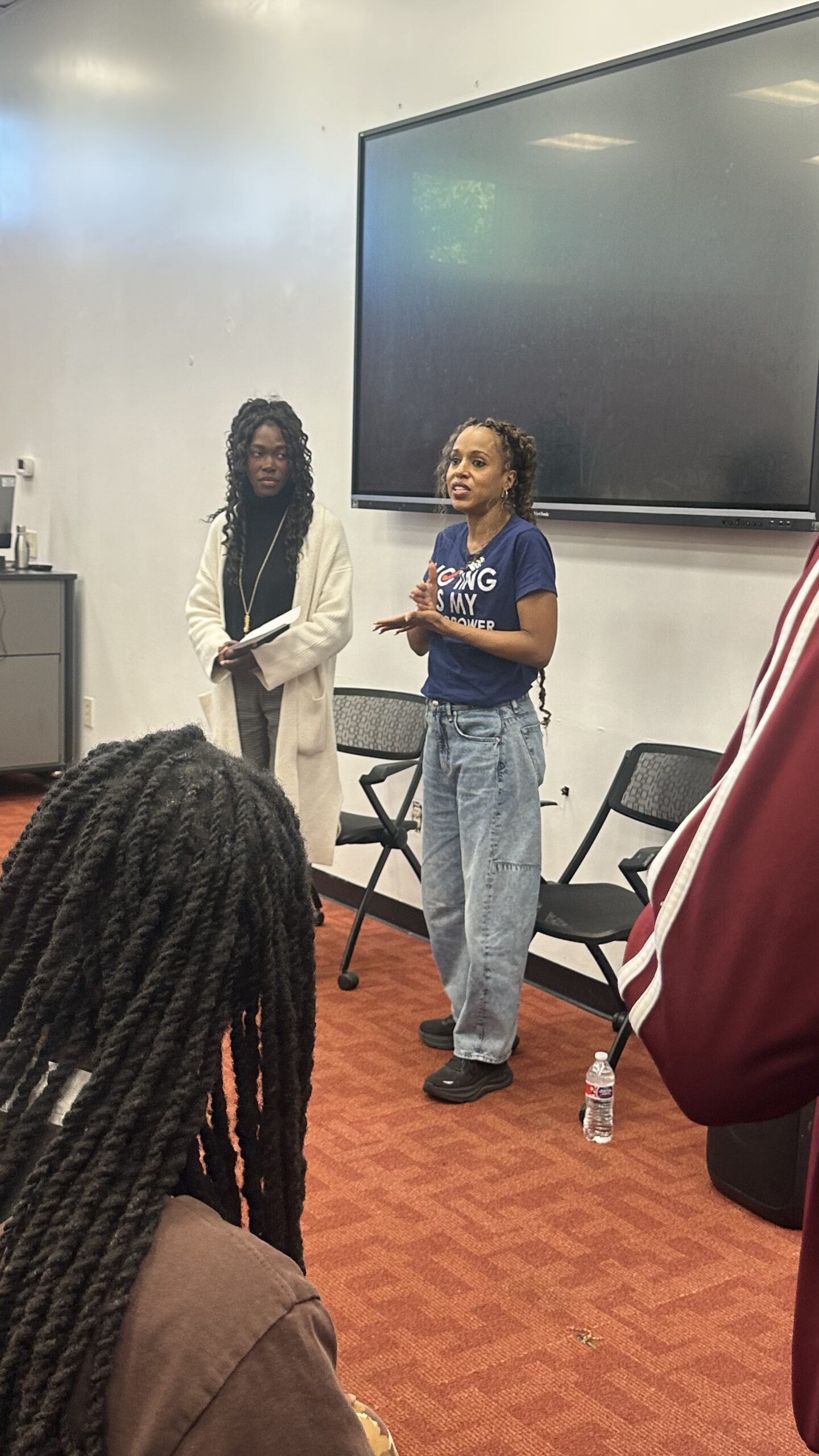
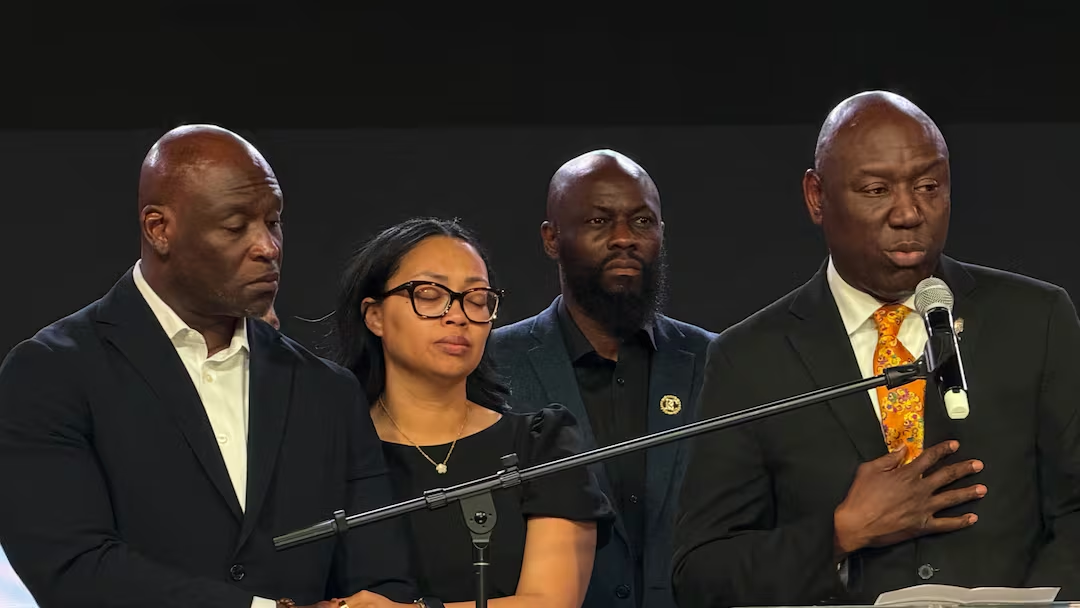
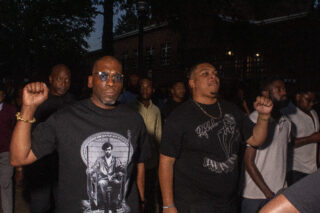
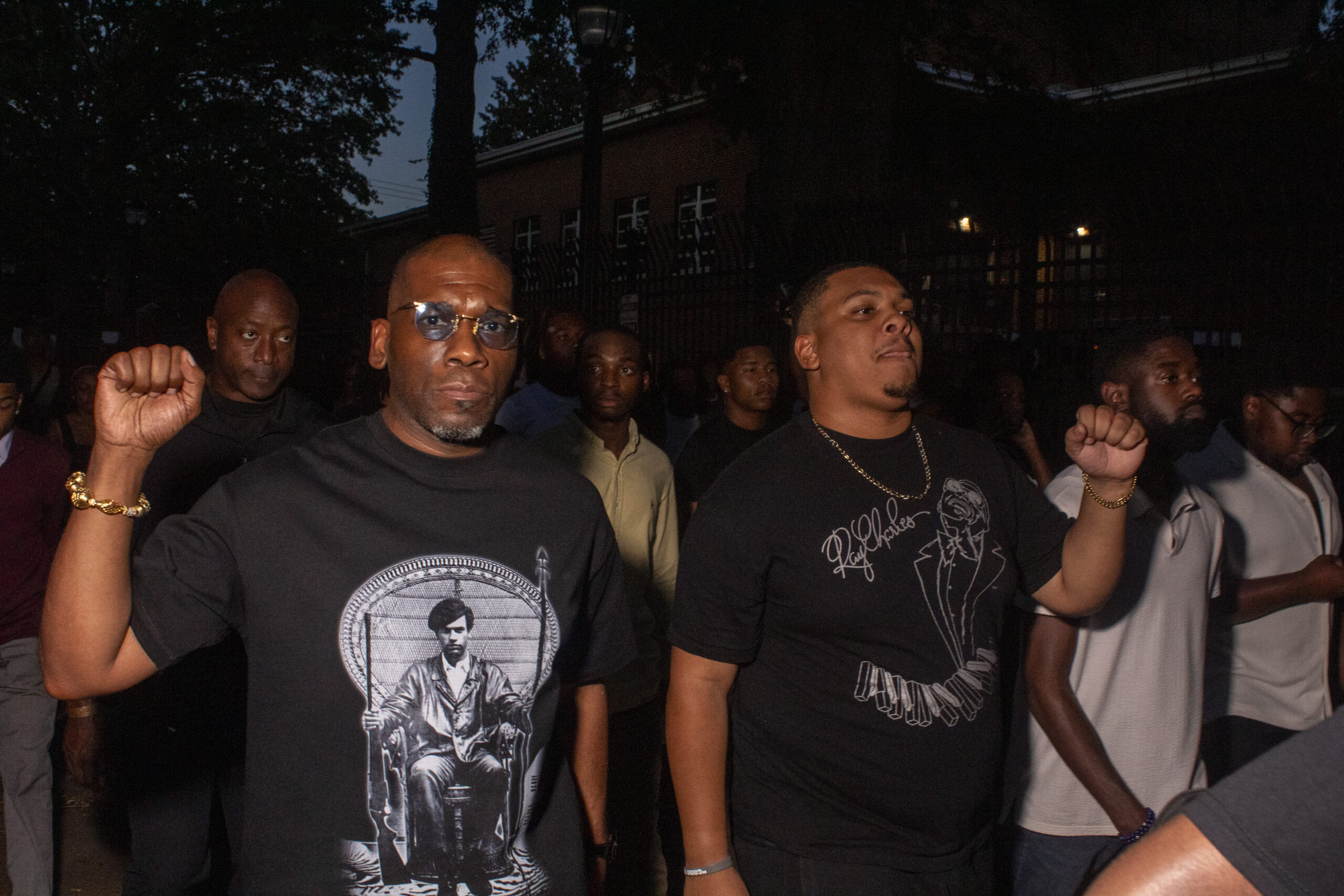
Student organizers brought Atlanta University Center students, community supporters, and Pastor Jamal Bryant together Oct. 1 for a solidarity march supporting Nolan Wells’ family and their search for answers about his death.
The march connected the AUC Robert W. Woodruff Library to Morehouse College’s Martin Luther King Jr. International Chapel. Behind the gathering were young leaders who used their campus organizations, platforms, relationships and social media to encourage people to show up.
For those leaders, the effort reflected a shared responsibility: supporting a family whose loss resonated with students who had never met their son.
“It honestly didn’t feel real,” said A’nija Hughly, president of Spelman College’s NAACP chapter. “I still haven’t had time to process exactly how many students were present.”
Hughly said organizers communicated with several AUC organizations before the march, but the response quickly extended beyond those initial connections. Additional groups and individuals arrived independently.
“Our flyer got way more attention than we intended and super quickly,” she said.
He is our brother
For Meyunna Montgomery, President of Clark Atlanta’s chapter of The Accountability Initiative, the reason to respond was rooted in the AUC’s commitment to advocacy, service, and community.
Montgomery said the unanswered questions surrounding Wells’ death made it important for students to support his family and keep his story in public view. Personal familiarity with Wells was not a prerequisite for caring.
“It doesn’t matter if you knew him personally,” Montgomery said. “The fact is he is our brother.”
Wells, an 18-year-old, went missing during a July Fourth trip to Horn Island, Mississippi, and his body was recovered July 6. ABC News reported Sept. 24 that the state autopsy classified his cause and manner of death as undetermined, consistent with the preliminary independent autopsy’s findings. A Mississippi grand jury found Wells’ death consistent with drowning and declined to recommend criminal charges. His family continues to seek answers about what happened.
“Showing up meant making sure the family’s questions and their son’s life were not forgotten,” Montgomery said.
Seeing themselves in Nolan
Jay’Shun Matthews, founder of Black Youth Empowerment Network (BYEN) described mobilization as a way to connect leaders to combat systemic issues facing the Black community.
“Mobilizing support means using our resources, our networks, our relationships to bring awareness about issues that are affecting Black people, especially young Black people,” Matthews said.
Matthews described his connection to Wells as a Morehouse student as personal.
“A lot of my peers see themselves in Nolan Wells,” he said, “they could have been him.”
That connection has fueled students’ desire for answers and their expectation that public officials share their concern. He pointed to legislators, prosecutors and other government leaders as people students want to see respond.
“They want answers, and they also want other people to care about it as well,” Matthews said, “but we are very much so passionate about it, and I don’t think it’s going to die down anytime soon.”
Carrying the AUC’s activist legacy forward
Jairys Bates, Founder of Open the Floodgates, a nonprofit organization, said the march continued a tradition that helped shape the AUC.
“I feel like there is no AUC without the great people that stood up and went against the grain and really wanted to make a change in the world, no matter what,” Bates said.
For Bates, that history also challenges current students to take a more active role in creating change.
“It’s just super important now for people to stand up,” he said.
Bates said organizers wanted participation across campuses, and he noticed the gathering drew people beyond the AUC.
“We were really trying to bring everybody from all three schools, but I even saw a couple Georgia Tech people here,” he said.
He described the march as an opportunity for young people to see students serving as positive role models. It also marked a new stage in his organization’s work.
“You know it’s crazy for real, the fact that I started with a clothing drive, and now we’re helping do protests with Spelman Democrats, Spelman NAACP, and everybody else,” Bates said.
Vote for Nolan Wells
Pastor Jamal Bryant’s attendance added another connection between generations of organizers. He described watching students take the lead as a reminder of his own activism.
“This is a full circle moment for me,” Bryant said. “I led the march after Rodney King. So, to see another generation take leadership is inspiring.”
When asked why young people must assume that responsibility, Bryant emphasized their role in building movements, “Because there is no revolution without young people,” he said.
His message to students was to carry their advocacy from the march to the ballot box.
“I think that a radical moment for this generation is to vote,” Bryant said. “To vote for Nolan Wells, knowing that he couldn’t, but we can.”
“To vote for Nolan Wells means to evaluate candidates not for personalities, but for policies,” he said. “People who represent what will safeguard this generation, this community.”
Bryant pointed to immigration, minimum wage, health care and education as issues that should guide those decisions.
Beyond the march
Hughly also emphasized that the march should lead to continued participation.
”Yes, we must protest, but we must combine it with civic engagement,” she said.
Hughly said organizers should share updates through social media and keep organization leaders informed about what happens next.
For Montgomery, the gathering’s purpose ultimately returned to the family at the center of the students’ efforts. She wanted Wells’ relatives to know that their search for answers had reached people willing to stand beside them.
“I want Nolan’s family to know that they are not standing alone,” Montgomery said. “We see their pain. We respect the fight for answers. And we want them to know that the AUC community will continue to honor Nolan’s life and stand with them in seeking the truth and accountability”